

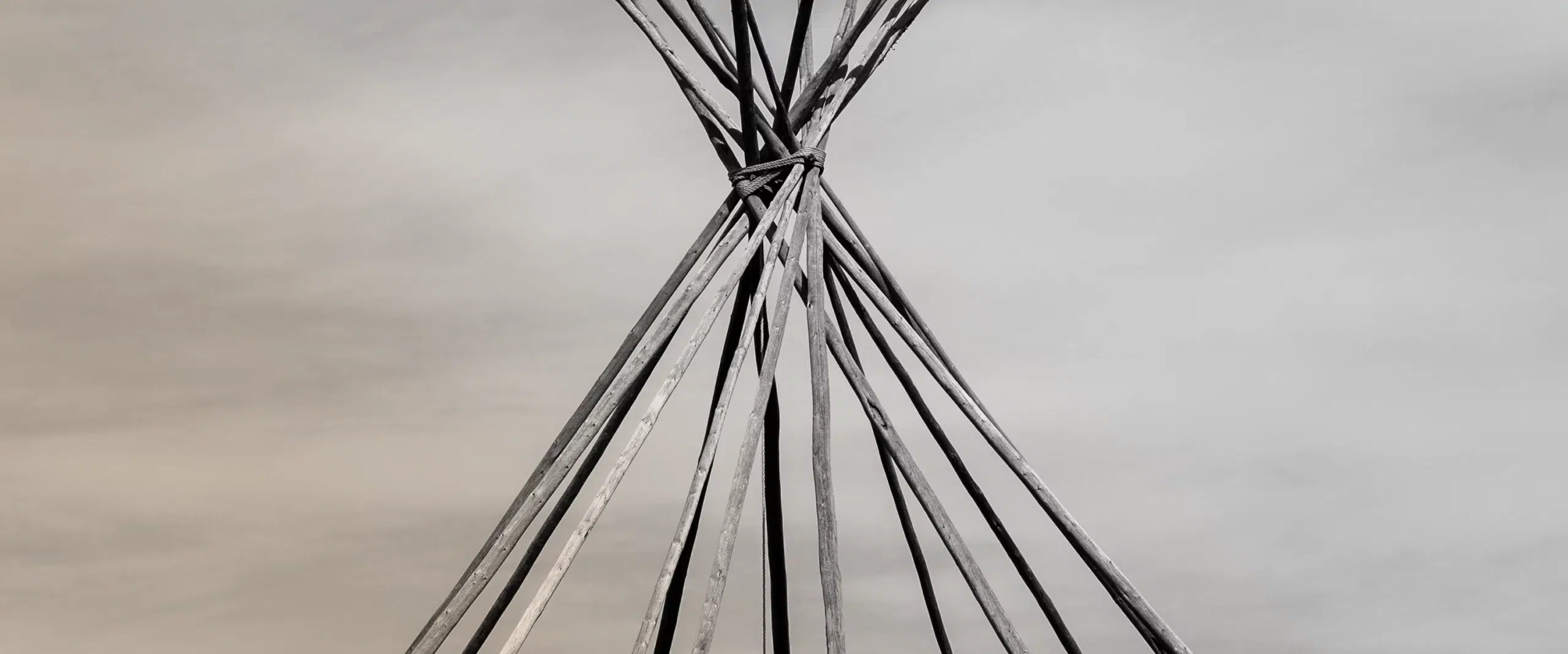
EVOLUTION OF THE TENT
A JOURNEY THROUGH TIME
Today, tents represent outdoor life, a life close to nature. But historically, tents served a very different purpose. The oldest known tent example originates from Moldova around 40,000 BC, constructed from bones, animal hides and branches. Nomadic tribes later developed lighter, portable versions that could travel with them across vast landscapes.
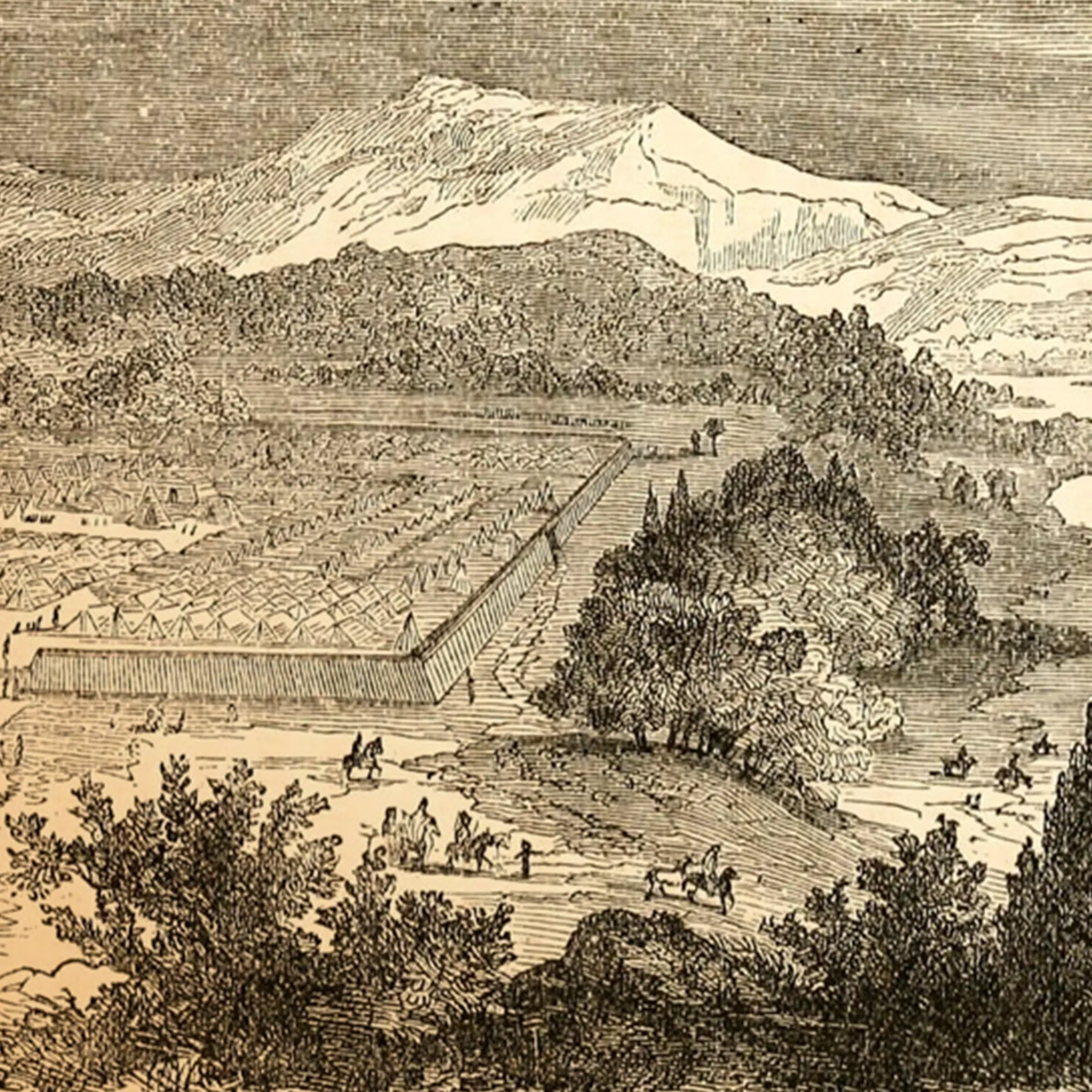
A ROMAN CASTRUM
Roman military camps, known as castra, were designed to house soldiers and supplies during campaigns. Engineers called "architecti" could construct these camps with remarkable speed. The naming conventions indicated duration: tertia castra and quatra castra for temporary camps. Permanent versions were called "castra stativa" while temporary summer camps were known as "aestive" or "aestivalia." These structures represent some of the earliest systematic approaches to temporary shelter.
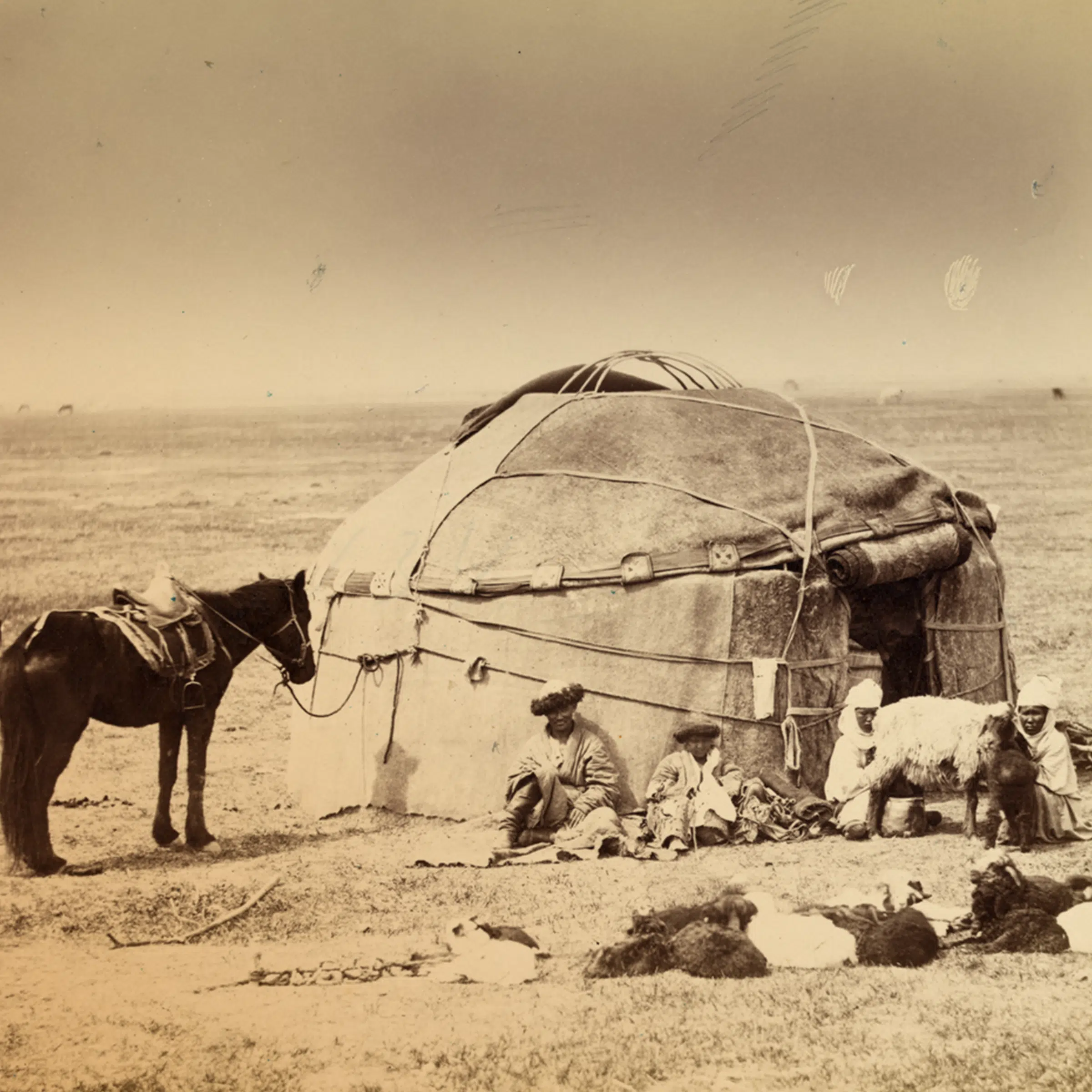
TRADITIONAL YURTS
A yurt is a transportable, circular tent covered with hides or felt, used by nomadic peoples of Central Asia. This remarkable structure has a history spanning at least three thousand years. Modern versions incorporate steam-bent wood, metal frames, canvas, sailcloth, Plexiglas domes, and insulation. The yurt design principles of portability and weather resistance continue to influence tent engineering to this day.
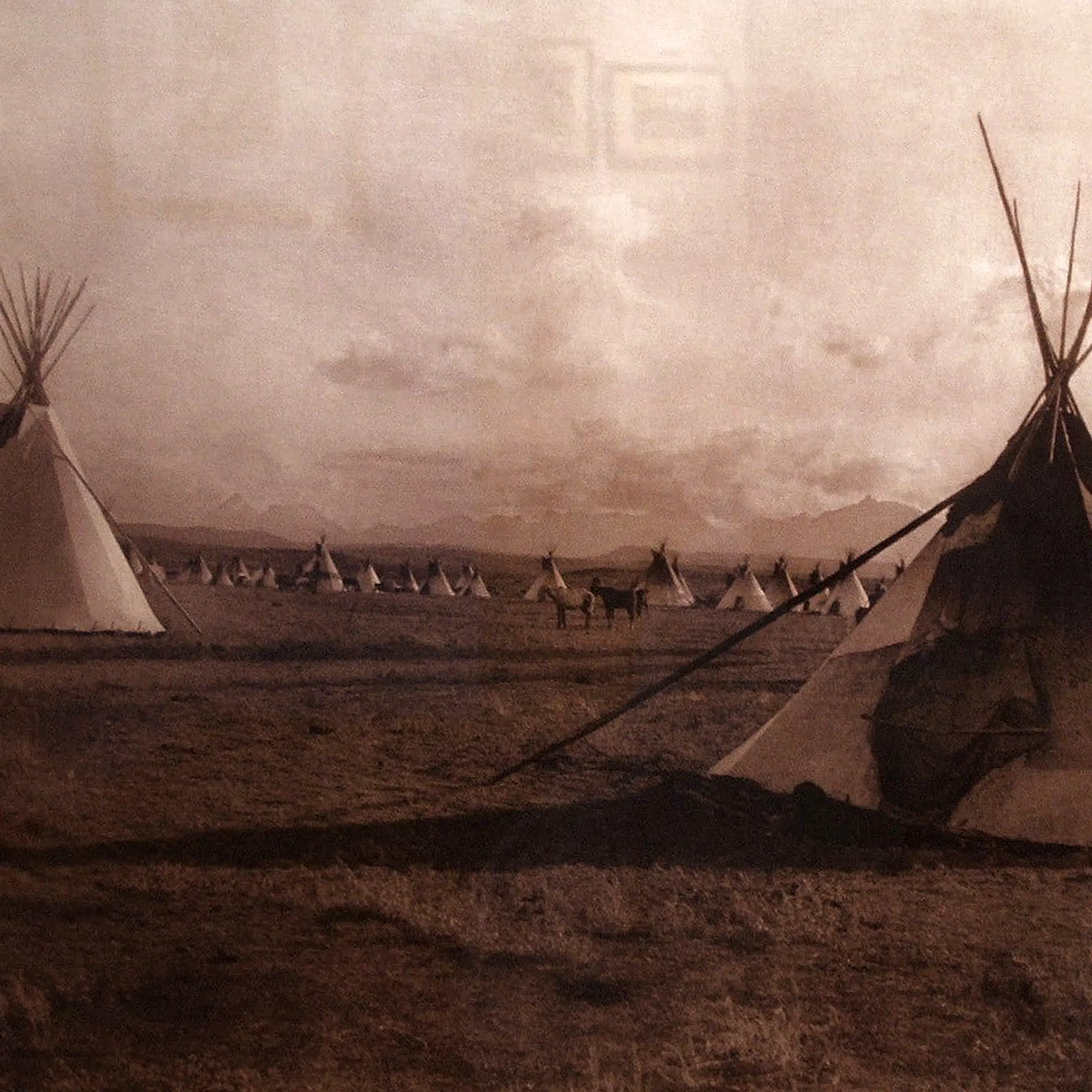
THE NATIVE AMERICAN TIPI
The tipi was built using long poles bound at the top and spread at the base, covered in buffalo hide. A skilled team could complete assembly in approximately 30 minutes. The design included sophisticated ventilation adjustments and fire management through carefully positioned holes at the top. The tipi is a testament to ingenious engineering adapted to the natural environment.
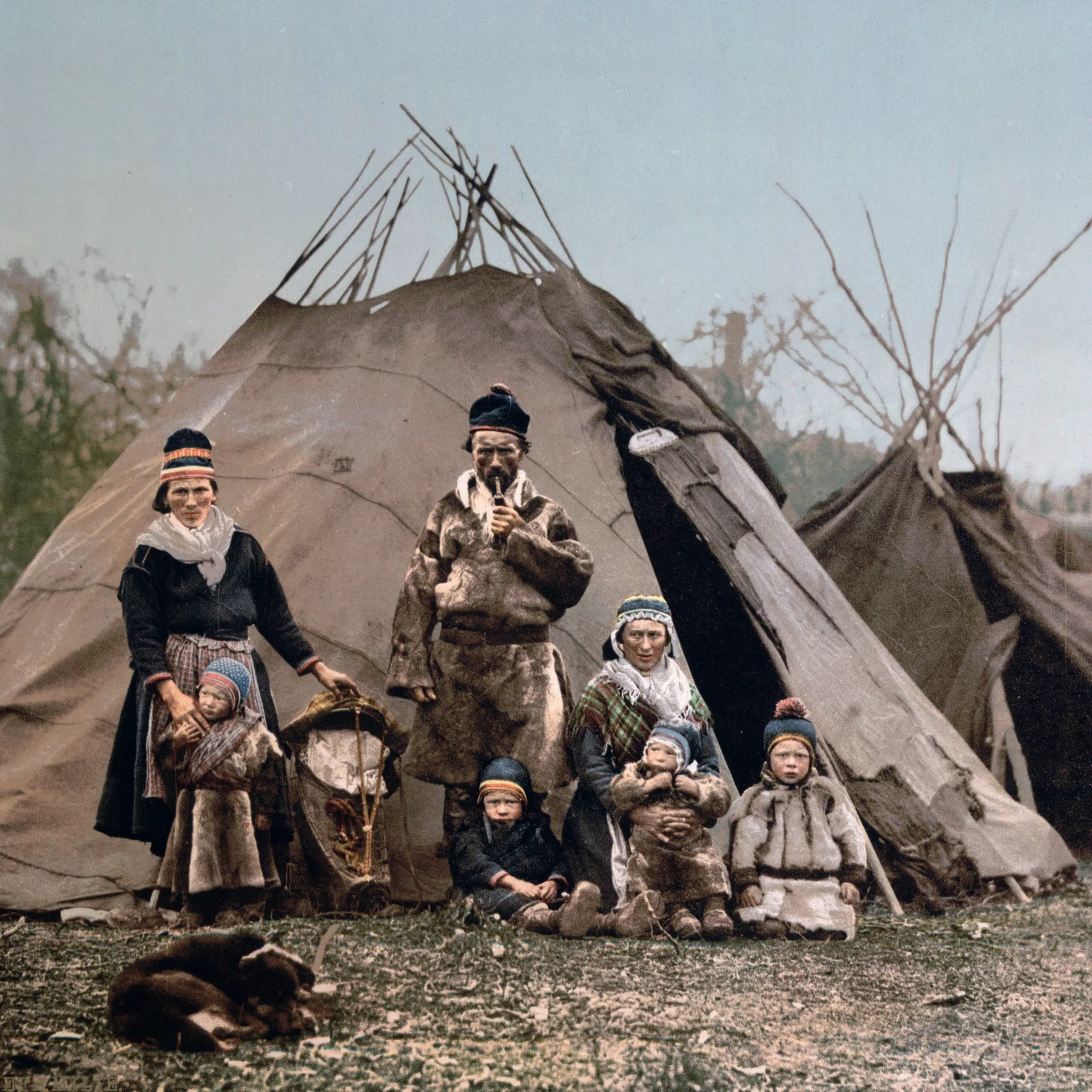
THE LAVVU
The lavvu is a traditional Sami dwelling very similar to the Native American tipi but designed to be more wind-stable. It uses a combination of forked and straight wooden poles with reindeer hide covers, later supplemented with British textiles. The lower, broader profile of the lavvu compared to the tipi reflects its adaptation to the harsh Scandinavian climate.
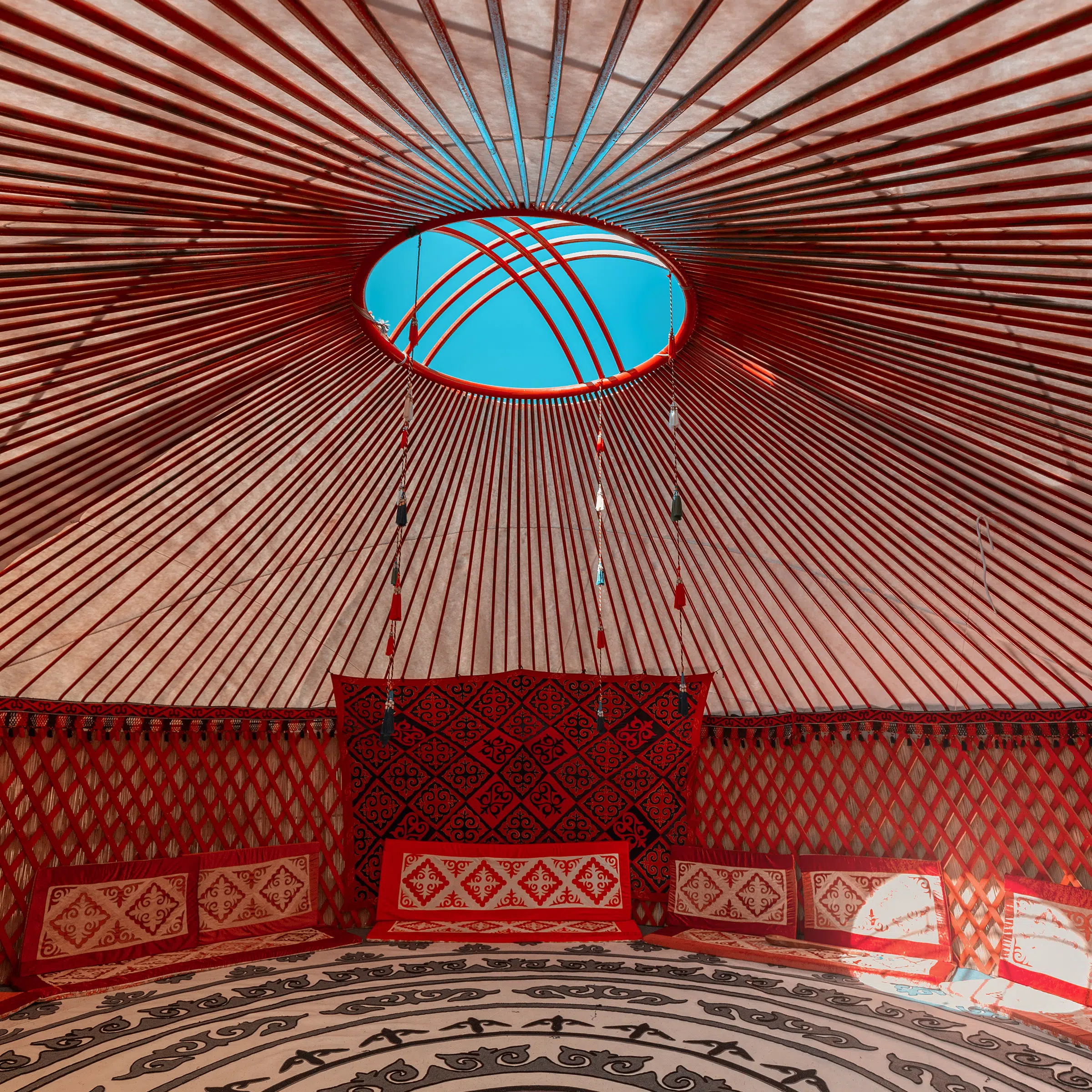
THE INTERIOR OF A TURKISH YURT
Turkish yurts feature curved roof poles that provide generous interior space. Unlike Mongolian versions, the Turkish yurt lacks central support poles due to its lightweight dome construction. This design innovation created more usable interior space and influenced tent architecture across the region for centuries.
FROM TRADITION TO INNOVATION
The evolution of the tent spans tens of thousands of years, from primitive shelters of bones and hides to the high-tech, engineered structures we produce today at Qtents. Throughout history, the fundamental purpose has remained the same: providing protection, comfort, and a sense of place.
At Qtents, we honour this heritage while pushing the boundaries of modern tent technology. Our stretch tents, sailcloth tents, and festival tents combine centuries of tent-making wisdom with cutting-edge materials and manufacturing techniques.